Wiki del textil y la moda


Materials and Processes for Manufacturing Technical Textiles
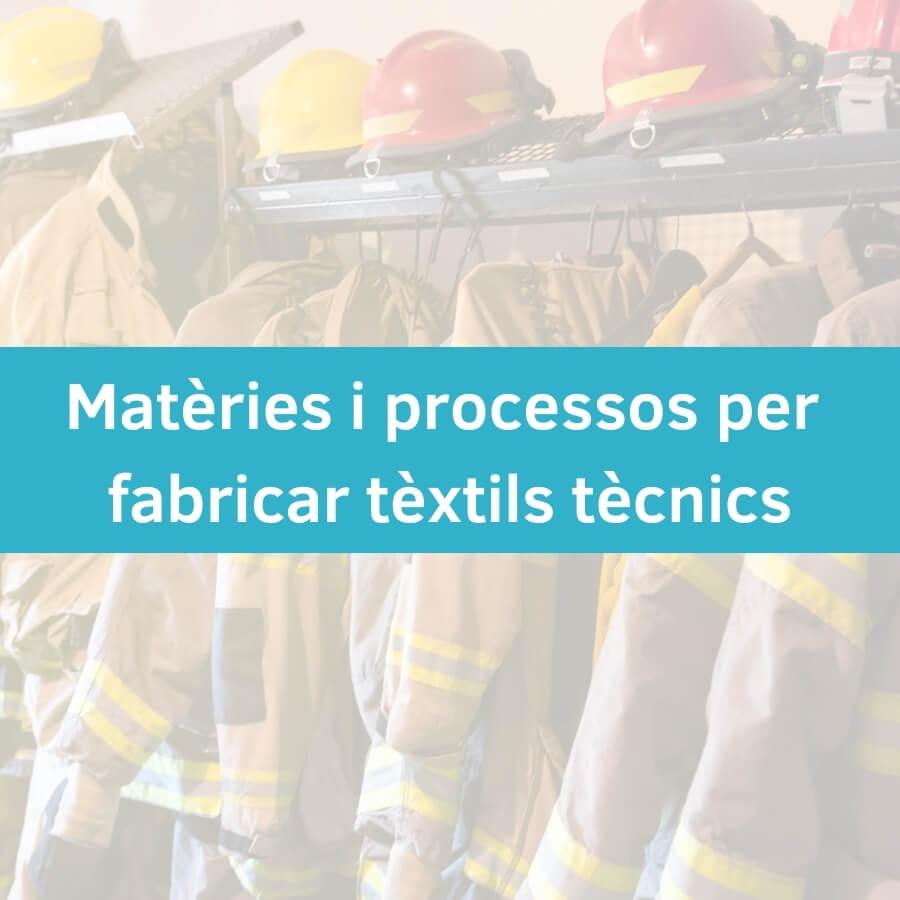
Technical textiles are textile materials designed to offer specific properties and functionalities that go beyond aesthetics and fashion. This sector includes products for industries as diverse as automotive, agriculture, medicine, sports, and personal protection, among others. Advances in materials and manufacturing processes have enabled the development of innovative solutions for technical and functional challenges.
Materials and Manufacturing Processes
Technical textiles can be manufactured from various natural, artificial, or synthetic fibers. High-performance fibers, such as aramids, high-tenacity polyethylene, carbon fiber, or glass, provide superior thermal, chemical, and mechanical resistance.
Types of Fibers Used
-
Natural fibers: cotton, linen, wool, silk. Used for their breathability and biodegradable properties.
-
Synthetic fibers: polyester, polyamide, polypropylene. Noted for their chemical and mechanical resistance.
-
High-performance fibers: aramids (Kevlar, Nomex), ultra-high molecular weight polyethylene (UHMWPE), glass fiber, and carbon fiber. These are used in critical applications requiring extreme resistance.
Manufacturing Processes
The manufacturing processes of technical textiles are essential in determining their final properties and suitability for different applications. Among the main production methods, various techniques allow for obtaining materials with specific characteristics depending on their final use.
One of the most traditional methods is the manufacture of woven and knitted fabrics. These materials are characterized by their flexibility and mechanical strength, thanks to the interlacing of threads arranged in different directions. Woven fabrics have a more stable and durable structure, while knitted fabrics offer greater elasticity and adaptability.
On the other hand, non-wovens are produced from fibers arranged randomly or structurally, without the need to be previously spun. This process allows for the creation of lightweight and resistant materials, widely used in medical, industrial, and acoustic and thermal insulation applications.
To improve the physical properties of technical textiles, finishing treatments such as sizing, coating, and laminating are applied. These processes allow modifying the characteristics of materials to achieve specific properties, such as waterproofing, fire resistance, or liquid repellency, making them ideal for personal protection, textile architecture, and other sectors.
Composite materials represent one of the most significant innovations within the textile sector. These materials are obtained by combining fibers with resins or other structural components, resulting in extremely strong and lightweight fabrics. Textile composites are used in sectors such as aeronautics, automotive, and construction, where advanced resistance and durability properties are required.
Technology has enabled the development of smart textiles, an emerging category incorporating nanotechnology and electronic elements to provide additional functionalities. These fabrics can include sensors for biomedical monitoring, self-regulating temperature systems, or reactive capabilities to external stimuli. Their application in the medical, sports, and personal protection sectors is continuously evolving, opening new possibilities in the field of advanced materials.
Personal Protection
Personal protective equipment (PPE) includes clothing for firefighters, healthcare personnel, industrial workers, and security forces. These materials must comply with strict safety and comfort standards, such as fire resistance, chemical protection, and waterproofing. The fabrics used must be lightweight, breathable, and resistant to extreme conditions.
Textiles for Sports
Technical textiles have revolutionized the world of sports, offering high-performance materials that enhance comfort, efficiency, and protection for athletes. Thanks to advances in research and innovation, lighter, more breathable, and aerodynamic fabrics have been developed, capable of meeting the specific demands of each sport discipline.
One of the areas where these materials have had the greatest impact is competitive swimming, with the development of high-speed swimsuits. These fabrics incorporate hydrophobic structures and a smooth surface that reduces water resistance, allowing swimmers to improve their times and reduce muscle fatigue.
In the case of sports footwear, the incorporation of advanced textiles has improved impact absorption and flexibility. Materials with high cushioning capacity help reduce joint stress and increase comfort during physical activity, making them ideal for high-intensity sports such as running or basketball.
Technical textiles have also revolutionized disciplines that rely on aerodynamic and resistant materials, such as windsurfing, paragliding, and competitive sailing. In these sports, ultra-light synthetic fabrics with excellent wind and adverse weather resistance are used, improving speed and control in competition.
Compression clothing has become an essential tool for many athletes, thanks to its benefits for blood circulation and muscle fatigue reduction. These tight-fitting fabrics help minimize muscle vibrations, improving performance and accelerating recovery after exercise.
Medicine and Hygiene
Technical textiles are used in hospital clothing, surgical dressings, sutures, and biomedical implants. For example, antibacterial fabrics and waterproof coatings are employed in hospital environments to reduce the risk of infections. Absorbent and antimicrobial materials are used in sheets, medical uniforms, and hygiene products such as sanitary pads and diapers.
Automotive and Transportation
In the automotive sector, these materials are used in airbags, seat belts, upholstery, and structural components. Textile composites reinforced with carbon or glass fiber have become lightweight and durable alternatives to traditional metals, contributing to vehicle weight reduction and thus greater energy efficiency.
Agriculture
Agrotextiles include shade nets, windbreaks, biodegradable covers, and irrigation systems with non-woven fabrics. These materials help optimize productivity and protect crops against adverse weather and pests. Textile membranes are also used for weed control, avoiding the use of chemical pesticides.
Civil Engineering
Geotextiles are applied in road construction, slopes, and drainage systems, improving material separation, water filtration, and the structural resistance of the terrain. These materials increase infrastructure durability and reduce maintenance costs.
Future and Innovation in Technical Textiles
Advances in nanotechnology and smart materials have opened new possibilities for technical textiles. Self-cleaning fabrics, integrated sensors for health monitoring, and phase-change materials for regulating body temperature are being developed.
Additionally, the integration of electronic textiles, which incorporate flexible circuits and connectivity to smart devices, opens new perspectives in interactive clothing and digital health. Research on sustainable materials, such as biodegradable fibers and eco-friendly manufacturing processes, is transforming the sector towards more environmentally friendly production.